

How to Choose a Small Built in Microwave Oven
Reduce counter space and work surface area by relocating your microwave into a recessed cavity in the cabinetry or wall. Built-in microwaves are a fantastic option for kitchens of any size. They blend seamlessly into the wall or cabinetry.
This 1.2-cubic-foot oven comes with 10 power settings and presets to cook popular foods such as pizza, popcorn and frozen vegetables. It also has a sensor that determines cooking time based upon food weight and density.
Power
A microwave oven with a small built-in microwave is a great kitchen appliance to cook and warming food. These appliances are typically high-powered and can cook food quickly and evenly. It is important to choose the right microwave for your requirements. Take into consideration features like size, power, design and control options. Some models come with large icons that can help you select the correct settings, while others feature smooth controls that are easy to read in different lighting conditions. Other features to consider are the number of racks and the kind of turntable.
When selecting a small microwave it is essential to consider the machine's interior capacity. The average countertop microwave is 1.2 to 2 cubic feet in size. A larger microwave can cook more food at one time, but it may take longer to heat. It's also important to look at the exterior dimensions of a small microwave oven to make sure it's a good fit in your desired location.
There are three kinds of microwaves: convection, conventional, and oven. Conventional microwaves cook food by using electromagnetic radiation. They are great for normal uses for cooking leftovers and defrosting food. Convection microwaves are designed to bake and roast, and usually come with a fan and heating elements that circulate hot air around the food. A microwave oven combines the functions of convection and traditional microwave into one.
You shouldn't just be aware of the wattage, but also the maximum and minimum power of your microwave. The minimum wattage of a microwave is 800, while the maximum wattage is 1,200. If you're buying a new microwave, you should avoid buying a model that has less than 1,000 watts because it won't cook your food properly.
Installing a built-in micro within your cabinetry is an excellent option to reduce space. This will help you help you save counter space and will make your home appear more sophisticated. Trim kits are available that will make your microwave appear to be part of the cabinet. These are more expensive than countertop microwaves and over-the-range models but they're much more accessible and give your kitchen a high-end appearance.
Convenience
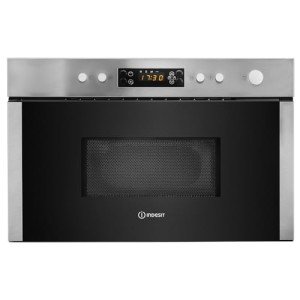
A small microwave that is built into a countertop is a convenient and easy method of heating drinks and food. It makes space on the counter and provides more space to cook meals. However, it's important to ensure that you choose the right features to meet your needs. Many models include a turntable and racks, along with other equipment to make cooking more convenient. Some models have an oven tray that is crisper and more like traditional oven baking and adds crisp texture.
Microwaves are available in a variety of sizes and finishes that can be adapted to any kitchen design. microwave oven built in combo feature an recessed door that blends into the cabinetry for a custom look. It's important to think about how often and by whom you'll use your microwave when choosing the best place to put it. You'll also need to ensure that the space is big enough to allow adequate ventilation, according to the instructions of your manufacturer.
A popular method of storing microwaves is above the refrigerator. This keeps the appliance off the countertop and makes it easy to reach. It could be dangerous for shorter people or children and you'll need to take it off and store the microwave every time you use it.
Another option is to put the microwave in an extra cabinet. This is a great option for those with limited countertop space and offers an unobtrusive, seamless look. This is a great option for those who don't have enough space to install a microwave, but still want a reliable method to cook drinks and food.
Alternatively, you can install shelves that pull out to fit microwaves. These shelves are wide enough to fit in any space, and are deep enough to keep them from tipping. Some models even have an angled edge to stop spills and tipping.
Another option is to stack the microwave on top of the wall oven in a cabinet of mid-height. This is a classic design and looks great in Transitional kitchens. Many manufacturers offer trim kits to align the microwave with the oven depth. These kits are available in louvered or flat designs and can be mounted on top of the millwork or flush mounted.
Design
It's important to choose an option that integrates the integrated microwave into your kitchen design. Placing it on the countertop is a huge footprint that detracts from the aesthetic of your kitchen. There are many ways to conceal this versatile small appliance, without cutting down on the counter space or storage space.
One option is to install cabinets or an appliance garage to conceal the microwave when it's not in use. This option is especially beneficial for small kitchens with limited wall space. This type of cabinet can be customized to match the trim of your kitchen and door style, offering an elegant, custom-designed design.
You can also conceal your microwave by adding it to the cabinetry of your pantry. This offers a clean and uncluttered appearance and also keeps it within easy reach. This design is perfect for a small kitchen. It can be combined with a pantry cabinet to increase storage.
Some microwaves come with built-in racks or turntables that let you to cook multiple dishes at once. These features make the appliance more efficient and help you save time. It's important that you only use microwave-safe cookware, utensils and cookware when using these appliances. Avoid using containers made of metal or cookware that has metallic accents. They can spark which could damage the microwave.
Microwaves intended to be put in a drawer or cabinet might have venting systems that are compatible with these enclosed spaces. It is important to talk to your contractor to ensure that the proper venting is in place. A microwave should not be installed directly in front of windows because it could block windows and prevent the airflow.
You can also incorporate a microwave into your kitchen layout by placing it on a counter or hidden on an island. The drawer-style microwave is ideal for kitchens with little counter space. It can be easily accessed to anyone of any height.
Another option is to place the microwave on top of a built-in wall oven. microwave and oven built in combo of installation is ideal for Transitional or Traditional-style kitchens. To finish the installation, Kitchen Designers can utilize trim kits to cover any gaps around the unit. These kits come in flat and louvered styles and can be used in conjunction with your oven.
Cost
A small microwave oven can be a stunning kitchen improvement, adding design and function to your new kitchen design. Pick from a range of designs and finishes to match your decor and look out for features such as auto defrost cooking settings, cook settings, and timer options that make meal preparation easier. Certain microwaves also come with designs that can ward off fingerprints, allowing you to keep them clean.
Countertop microwaves are useful however they can take up valuable counter space and limit the design and versatility of your kitchen. If you're concerned about this, you might want to consider a recessed model that can be incorporated into the cabinetry for a sleek, unique appearance. Installing a small, built-in microwave oven inside a kitchen island can provide more space and an attractive integrated appearance. It's important to note that a recessed microwave needs adequate air clearance around its sides and rear to function properly.
Consider how often you will use your microwave and what kind of food items you cook most often when deciding where to put it. If you're preparing mostly frozen dinners and pizza then you should consider a higher wattage microwave that can cook food quickly and evenly. If you're cooking food items or vegetables that require a delicate heat, select the lower wattage model to keep from overcooking.
Install a small, mobile stand if you're unable to fit the microwave into cabinets or prefer a smaller model. They have a base that can support the microwave and hold it in place, and are typically designed to block fingerprints to ensure a neat appearance. They're a cheap and easy option that can serve as a temporary microwave solution until you can locate a permanent home for it in your kitchen.
A small microwave can be added to the corner of your home and it can double as a mini hood to your stove. This is a great way to reduce space, but it is not recommended for homes with elderly or children that need access to their kitchens. Additionally, a corner microwave shouldn't be placed directly in front of a window since it can block ventilation and can shatter the glass in the case in the event of an emergency.